
Twenty-five years at the intersection of gaming and technology.
Fifth Street Gaming’s roots in digital gaming run deeper than almost anyone’s in the industry. In 2000 — years before online gaming was a mainstream conversation — Fifth Street Gaming co-founder Seth Schorr built World Wide Wynn, the first interactive casino developed by Wynn Resorts. That early, pioneering work set the tone for everything since: a willingness to build ahead of the market.

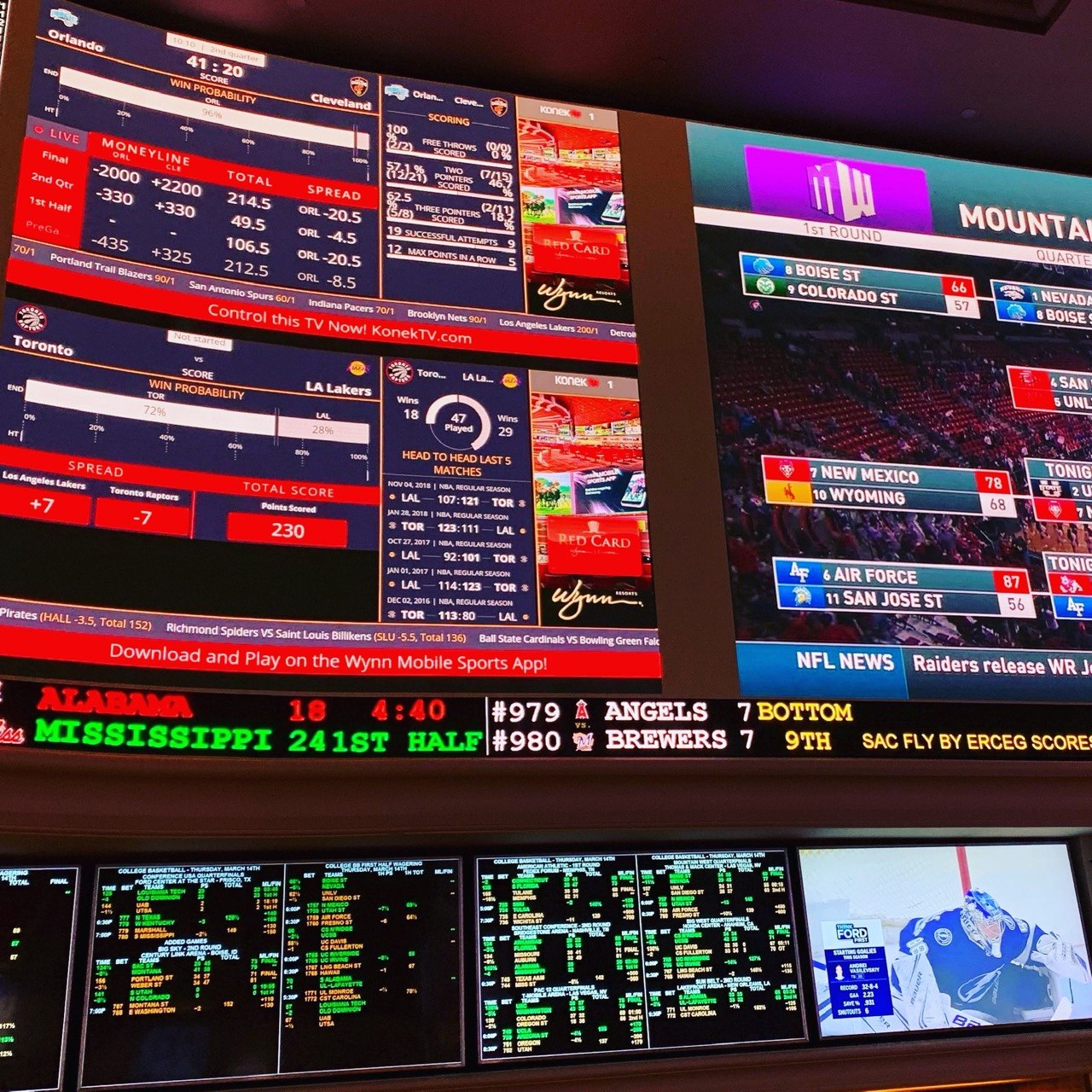
In the decades that followed, Fifth Street Gaming’s team designed and launched a wide range of digital products across sports betting, streaming, affiliate marketing, casino loyalty, and Latino-focused gaming media. Along the way we built KonekTV, an in-venue sports-betting information platform that brought Las Vegas sportsbook energy to bars, restaurants, and casinos nationwide — with activations at partners including Caesars Entertainment, BetMGM, and Hooters locations across multiple states. Its successor technology is live in MGM properties today. Each venture taught us something about where technology and land-based hospitality actually meet.

That experience now powers what we believe sets us apart. Fifth Street Gaming operates a proprietary fleet of AI agents built to turn operational data into real business intelligence across our properties.
Our agents integrate with OPTX, the analytics platform sitting atop our floor systems from IGT and Konami, and work across multiple casino properties, hotels, and dozens of restaurant venues. They perform slot-performance analysis, player-club tier analysis, and cross-property reporting — surfacing the patterns that inform decisions on floor mix, marketing, and staffing.
Plenty of companies are adopting AI. What sets our approach apart is that our agents don’t just deliver a report and go quiet — they engage. They talk back to our managers, ask questions, and hold the kind of ongoing dialogue that turns raw analysis into real decisions. That only works when the humans and the agents know how to work together, and building that fluency is as much about people management as it is about technology.
As an independent operator, we can move on this in ways that larger, bureaucracy-bound organizations simply can’t — testing, adapting, and putting new tools to work while others are still waiting on approvals. It’s in our DNA. We’ve believed that for twenty-five years, and we believe it now: the future of AI won’t be won by whoever has the most powerful technology, but by whoever figures out how people and machines work best together. That’s the work we do every day.